
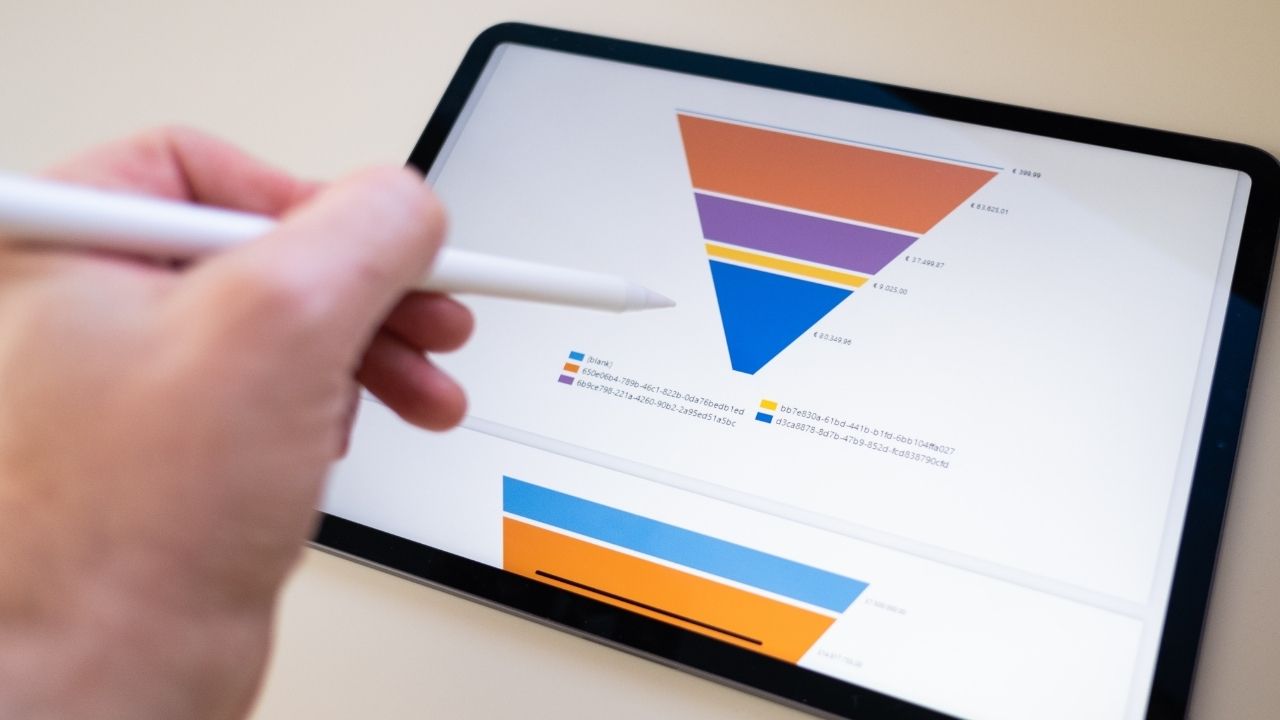
You have an amazing idea for a business. Maybe you’ve even built the product or perfected the service. But then comes the hard part: getting people to actually buy it. You feel like you’re putting in a lot of effort for inconsistent sales. That’s where smart salesfunnels come in, and they can change everything. An effective sales funnel creates a clear path that guides potential customers right to your checkout page.
This is not a complex strategy reserved only for huge corporations with massive marketing teams. It’s a concept that any entrepreneur, including you, can understand and use. By creating a structured customer journey, you stop hoping for sales and start building a system that generates them.
Table Of Contents:
- What Exactly Is a Sales Funnel?
- Why You Absolutely Need One for Your Business
- The Classic Sales Funnel Stages Explained
- Beyond the Sale: Creating Loyalty and Advocacy
- Building Your First Salesfunnels: A Simple Plan
- Tools to Help You Build and Automate
- Common Mistakes to Avoid
- Conclusion
What Exactly Is a Sales Funnel?
Imagine a real funnel you would use in your kitchen. It is wide at the top and narrow at the bottom. A sales funnel works the same way, but it channels a potential buyer instead of liquids.
At the top, you have a lot of people who are just becoming aware of your business. As they move down through each funnel stage, many will drop off, but the most interested ones continue. At the very bottom, you have a smaller group of dedicated customers who make a purchase.
It’s a map of your buyer journey from first contact to the final sale. This approach lets you understand your customer’s mindset and meet their needs at every step. This entire process is often called a marketing funnel, with the sales funnel being the portion where a prospective customer shows clear buying intent.
Why You Absolutely Need One for Your Business
It can feel like building a funnel is just another task on your endless to-do list. This one is different because it brings predictability to your revenue, which is a game-changer for any business owner. It provides a clear structure for all your sales efforts.
Without a funnel, you do not know why people are not buying. Is your traffic not reaching the target audience? Is your offer confusing? A well-planned funnel shows you exactly where you are losing people, giving you a diagnostic tool for your sales process and overall digital marketing strategy.
Because you address a customer’s specific needs and pain points at each of the sales funnel stages, you build trust. This trust leads to much higher conversion rates than sending everyone to a generic sales page. You’re creating a guided customer experience, not just making a random pitch for your online sales.
The Classic Sales Funnel Stages Explained

Most funnels follow a framework that has been proven to work for decades. One of the most popular models is AIDA. It stands for Awareness, Interest, Desire, and Action.
Understanding these four funnel stages helps you see your business from the customer’s perspective. You can figure out what they need to see and feel to move to the next step. Let’s break down each part of the customer journey.
Stage 1: Awareness
This is the very top of your funnel, also known as the awareness stage. This is where your prospective customer first discovers you exist. They were not looking for you specifically, but they stumbled upon your content because they have a problem you might be able to solve.
The goal here is not to sell but to attract attention and increase brand awareness. You do this through activities like writing helpful blog posts, creating engaging social media content, or running targeted marketing campaigns. This is the foundation of your content marketing strategy.
At this stage, you offer value with no strings attached. You are becoming a familiar face in a space your target audience cares about. Think of it as a friendly handshake to start building a customer relationship.
Stage 2: Interest
Someone has moved from awareness to interest. They know who you are, and they are curious to learn more. They have shown they are open to what you have to say, making them a potential buyer.
Your job is to now capture that interest and get permission to keep the conversation going. This is typically where you offer a lead magnet, which is a free, valuable piece of content in exchange for an email address. A detailed buyer persona or ideal customer profile will help you craft the perfect lead magnet.
Valuable lead magnets could be an ebook, a checklist, a webinar, or a video course. Now they are no longer a random visitor. They are a lead in your sales pipeline, and you have a direct way to communicate with them.
Stage 3: Desire
This is where you nurture leads and build their desire for your solution. At this funnel stage, your lead is thinking about your offer and considering if it’s right for them. You need to show them that your product is not just an option, but the best option for their specific pain points.
Content at this decision stage is all about building trust and proving your value. You can use an email campaign, customer stories, case studies, a product demo, or free trials. You are showing them what life could be like after they become a paying customer.
The goal is to shift their thinking from “this is a nice product” to “I really need this to fix my problem.” This is where you separate general leads from qualified leads who are moving closer to a purchasing decision.
Stage 4: Action
This is the bottom of the funnel, where you close the deal. The customer has the awareness, the interest, and the desire. All that is left is for them to take action and complete the purchase.
You have to make this step as easy and compelling as possible. This means having a clear call-to-action, a simple checkout process, and maybe a special offer to encourage them to act now. Any friction in the decision-making process could cause them to abandon their cart.
Do not be shy about asking for the sale. They have come this far with you, so a direct invitation to buy is both expected and necessary. This is the culmination of your sales cycle, resulting in a new paying customer.
Beyond the Sale: Creating Loyalty and Advocacy
The customer journey does not end once you gain a paying customer. The post-purchase phase is critical for long-term success. This is where you focus on retention and turning one-time buyers into loyal advocates for your brand.
Your existing customers are your most valuable asset. It costs far less to retain a customer than to acquire a new one. Implementing loyalty programs, offering exclusive content, or providing discounts on future purchases can keep them coming back.
Actively seek out customer feedback to improve your products and the overall customer experience. Good customer support is non-negotiable at this stage. When customers feel heard and valued, they are more likely to become repeat business and recommend you to others.
Building Your First Salesfunnels: A Simple Plan
Hearing the theory is one thing, but building your own is another. Do not feel overwhelmed. You can start with a simple sales model and improve it over time.
- First, you must understand your ideal customer. Creating a detailed customer profile or buyer persona is a foundational step. What are their biggest challenges, goals, and pain points? Your entire funnel needs to speak directly to them.
- Next, you need a compelling offer that solves one of their major problems. Your offer is the core of the funnel. Without a great product or service, even the best sales efforts will fail.
- Then, you have to generate traffic. This can come from social media, search engines, or paid ads. You need to direct prospective customers to the top of your funnel so they can begin their journey.
- Create a dedicated landing page with a single purpose: to capture leads. A good sales funnel template can help with this. This page should present your lead magnet clearly and make it simple for people to sign up.
- Once you have a lead, start an email nurture sequence with a series of email campaigns. This automated series should give more value and slowly introduce your paid offer. It builds the relationship before you ask for the sale.
- Finally, craft your sales page. This is where you lay out your main offer in detail, highlight all the benefits, and provide a clear way to buy. Your goal is to make the purchasing decision feel like an easy and obvious choice.
Tools to Help You Build and Automate
You do not have to build all of this from scratch with custom code. There are plenty of tools and automation software available to help you, even if you are not a tech expert. Many platforms can help you save a ton of time and streamline your digital marketing.
Using the right technology can make managing your sales pipeline much simpler. From landing pages to email marketing automation, these tools are essential. Here are a few categories of tools to consider.
| Tool Category | Primary Function | Examples Include |
|---|---|---|
| Landing Page Builders | Create high-converting pages to capture leads and showcase offers. | Leadpages, Instapage, Unbounce |
| Email Marketing Services | Automate email campaigns to nurture leads and communicate with customers. | Mailchimp, ConvertKit, ActiveCampaign |
| All-in-One Platforms | Combine landing pages, email, payments, and more into one system. | Kajabi, Kartra, HubSpot |
| Analytics Tools | Track visitor behavior and measure the performance of your funnel stages. | Google Analytics, Hotjar, Mixpanel |
No matter what tools you use, an analytics program is critical. You must track how people are moving through your funnel. The data tells you what is working and what needs to be fixed to improve your online sales.
Common Mistakes to Avoid
Many entrepreneurs make similar mistakes when building their first funnel. Knowing them ahead of time can save you a lot of frustration. Here are some common pitfalls to watch out for.
- The biggest mistake is not knowing your customer well enough. If your messaging does not connect with their problems, your target audience will not stick around. All your efforts will be wasted if you are talking to the wrong person.
- Another common issue is making things too complicated. Your funnel should be as simple as possible. Every extra step or confusing bit of information is a chance for a potential buyer to leave.
- Failing to follow up is another massive error. A prospective customer might be interested but not ready to buy today. Without a system like an email campaign to stay in touch, that potential sale is lost forever.
- For businesses with a sales team, a lack of alignment between marketing and sales is a huge problem. Both teams need to understand the complete buyer journey and work together. The sales reps need to know what marketing materials a lead has seen.
- Finally, do not just set it and forget it. A funnel is a living system. You need to constantly look at your data, A/B test different elements, collect customer feedback, and work to improve your conversion rates over time.
Conclusion
At the end of the day, a sales funnel is just a system for creating customers in a structured way. It takes the guesswork out of growth and gives you control over your lead generation and sales process. Building effective salesfunnels transforms your business from a passion project into a predictable revenue machine.
Do not strive for perfection on your first try, as a basic funnel template can get you started. Your first funnel will not be your last. The main thing is to start, measure your results, and make continuous improvements based on data and customer feedback.
This is how you build a resilient business that can thrive for years to come. By focusing on the customer journey and optimizing each stage, you create a powerful engine for sustainable growth. The relationship you build with each paying customer is the true reward.


